
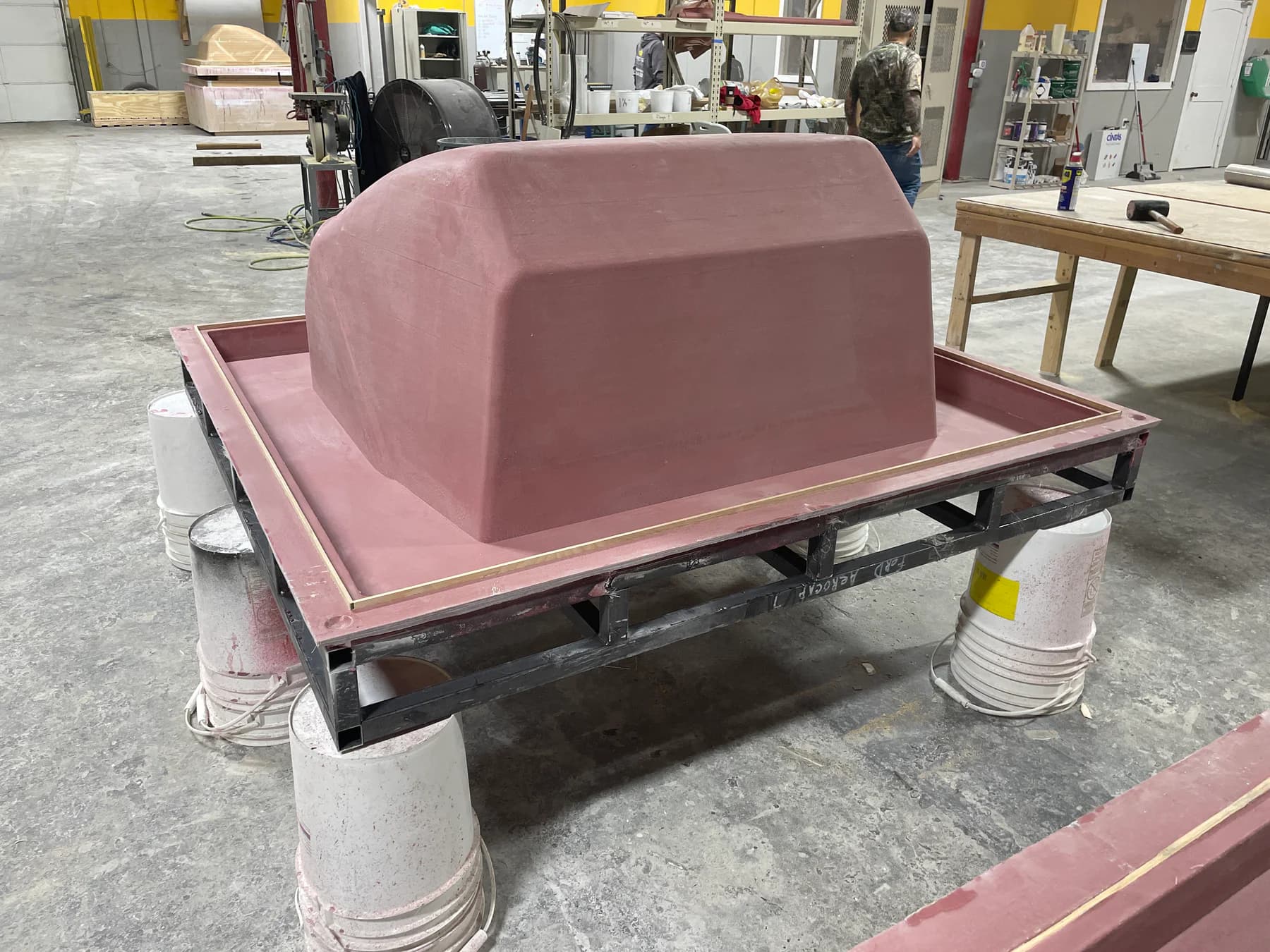
Why the process begins before mold construction
The historical version of this article focused almost entirely on materials. Materials matter, but the more important difference is the way the project is carried from its real starting point to a usable physical output.
Prestige does not require every customer to arrive with the same package. A complete model can move toward machining. An early concept may need development. An existing pattern may be ready for mold construction—or it may need repair, cleanup, or a different plan. Scope is established around what is actually present.
- 01
Start with the real production need
Prestige reviews the part, intended process, material, machine information, surface requirements, production expectations, current inputs, and the handoff the customer actually needs.
- 02
Resolve the tooling path
The project may begin with production CAD, basic CAD, drawings, dimensions, an existing part, a physical pattern, or an early concept. The next step is defined around what must become real.
- 03
Build the physical form
When a pattern, master, or plug is required, Prestige prepares the buildup, machines the geometry, and finishes the physical output for the agreed downstream mold process.
- 04
Construct the mold
Mold construction, reinforcement, working surface, vacuum provisions, mounting, and handling are matched to the application. Prestige’s ceramic composite construction is one established route for heavy-gauge thermoforming tooling.
- 05
Inspect and hand off
The finished output is checked against the agreed scope and prepared for the customer’s next operation—whether that is a physical pattern for an internal mold shop or a completed production mold.
What stays inside the shop
Customers need to understand the path, the deliverable, and the operating requirements of the tool. They do not need a public recipe for the proprietary material system or every shop step behind it. Prestige keeps formulation and construction details inside the process while making the customer-facing scope clear.
Choose the handoff that makes sense
Some customers need a complete pattern-to-mold project. Others have an internal mold shop and only need CNC capacity. Prestige can stop at the finished physical pattern, master, or plug—or keep the work in Elkhart and carry it into completed tooling.
The first useful step is showing us what is real today. Send CAD, drawings, photos, or a project description.