
Thermoforming tooling
Heavy-gauge thermoforming molds—from pattern to finished tooling.
Prestige builds ceramic composite molds and can carry the complete tooling project or fill gaps in your team’s CNC pattern and master capacity.
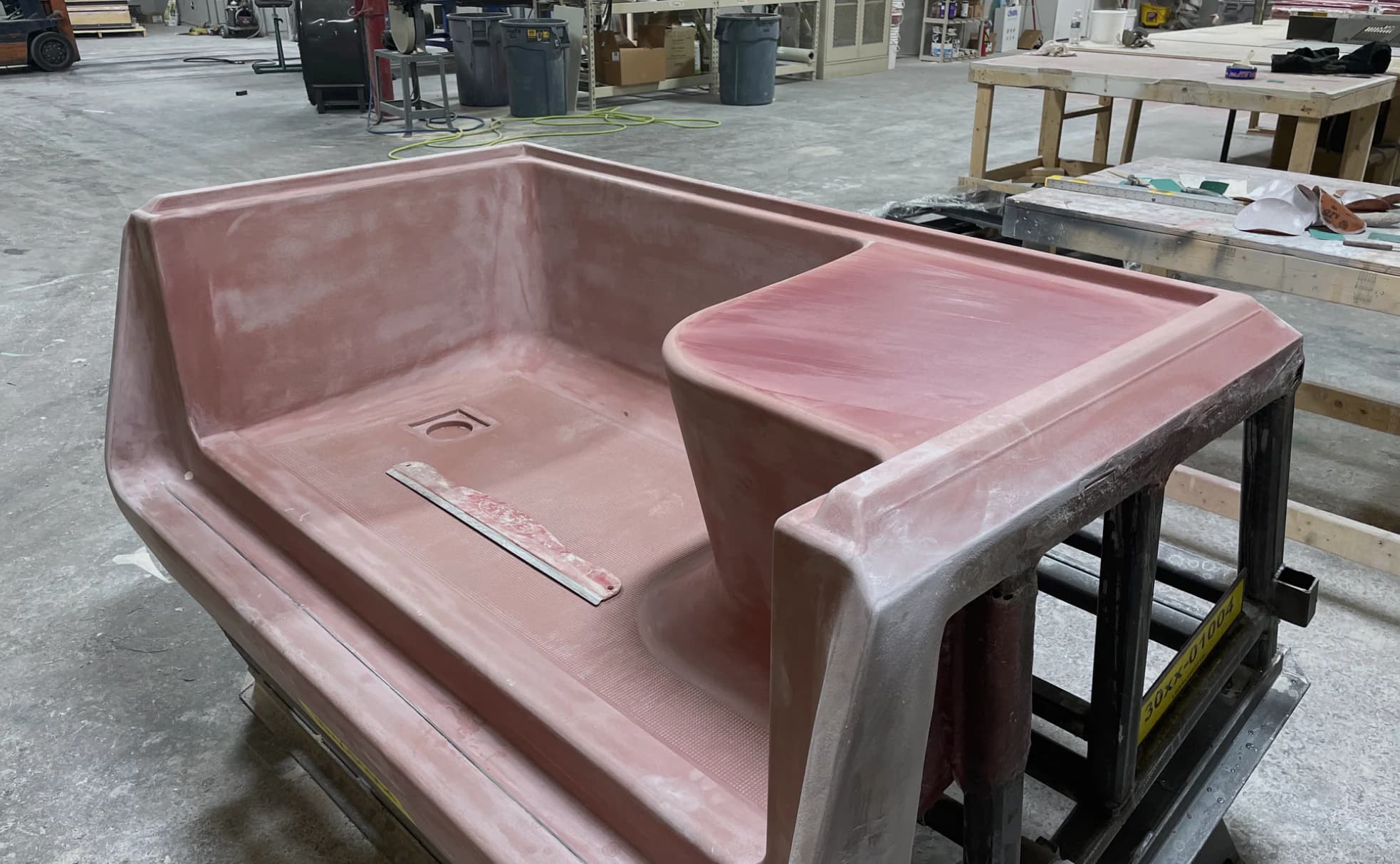
Complete ceramic toolingPattern + moldCNC pattern / master / plug
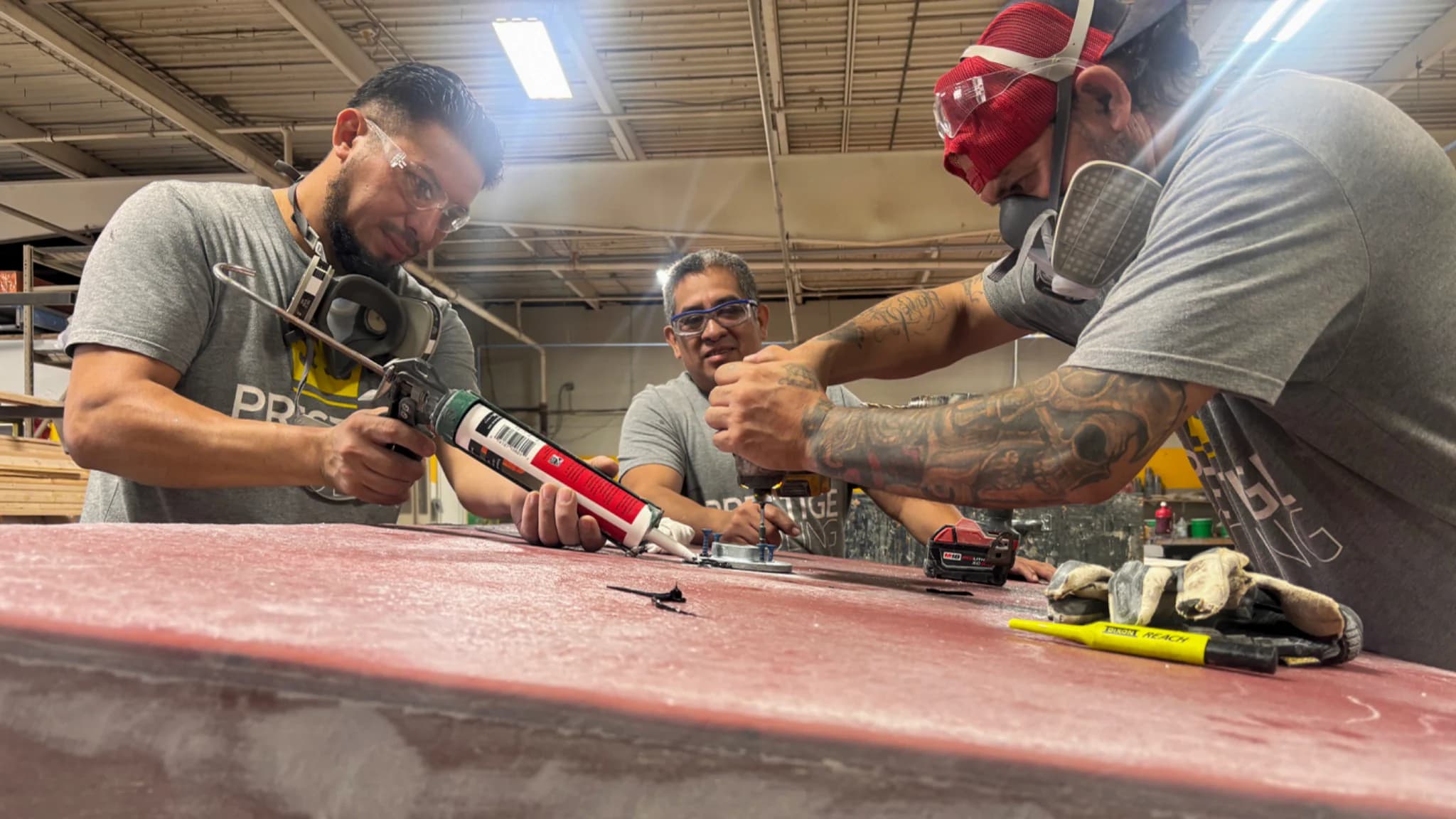
Why thermoformers use Prestige
Your shop can build it. That doesn’t mean it has to.
Prestige can take on the full build—or stop at the handoff your shop needs.
- Internal tooling capacity is full
- CNC equipment is committed to production trimming or other work
- Programming or operator bandwidth is constrained
- The geometry is awkward, difficult, or still needs tooling-aware review
- The tooling is larger or less convenient than your shop wants to handle.
- The schedule benefits from dependable extra capacity
Flexible project scope
Hand us as much or as little of the job as makes sense.
Prestige can review production CAD, drawings, photos, an existing tool, or pattern information.
- 01
Complete tooling
Prestige takes the agreed starting point through a finished ceramic composite thermoforming mold.
- 02
Pattern or master + mold
Prestige develops or machines the physical pattern and then continues through the finished ceramic composite tooling build.
- 03
CNC pattern, master, or plug
Prestige handles the tooling-side CNC work and returns the physical output to your internal mold shop.
Ceramic composite tooling
Ceramic composite for heavy-gauge forming.
Ceramic composite is Prestige’s established construction for new thermoforming molds, with durable production-tooling intent.
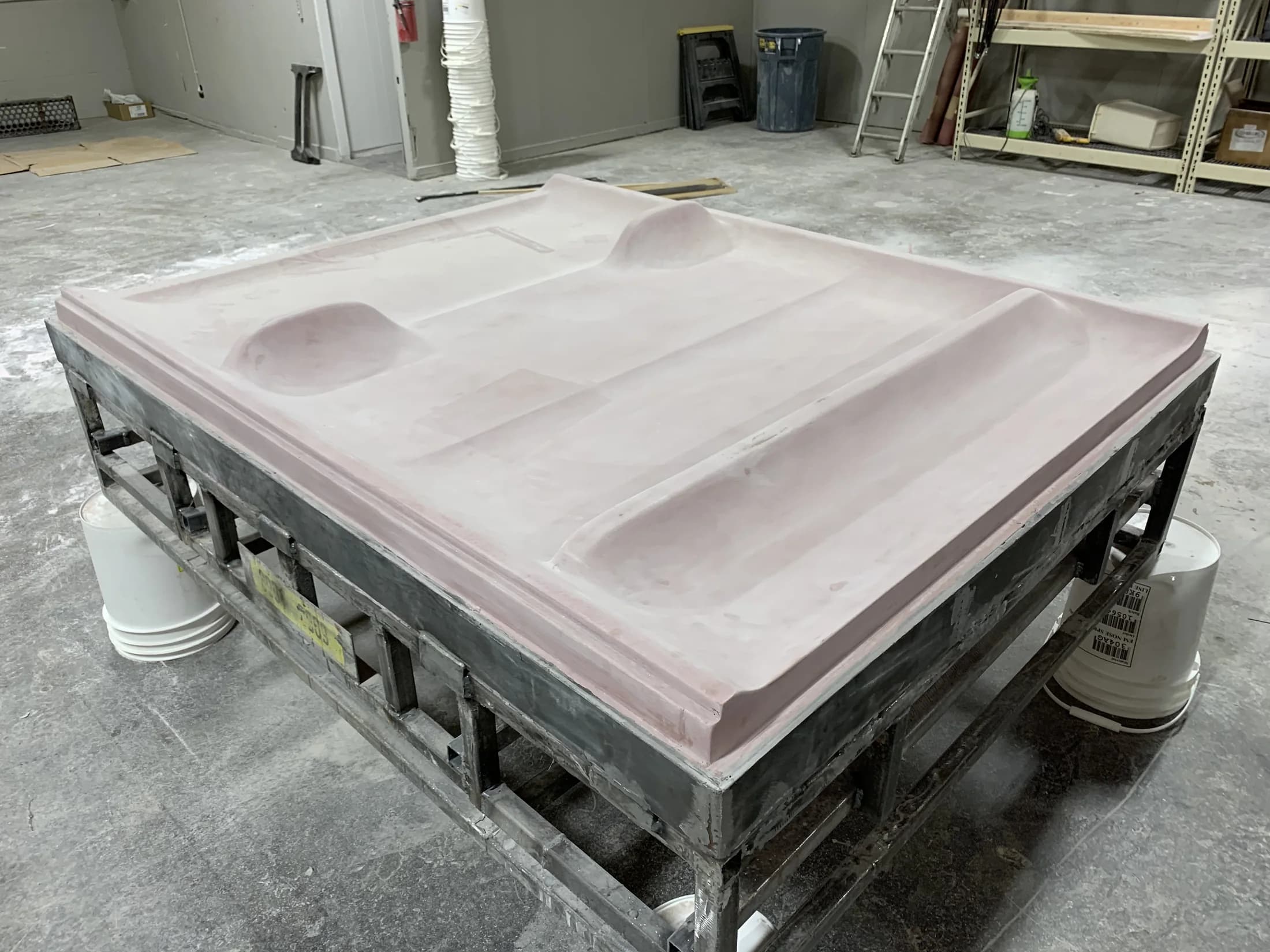
Each mold is built around the part and the way it will be formed. Prestige reviews the geometry, forming conditions, operating requirements, production requirements, and cycle expectations before the tooling route is confirmed.
That application review keeps construction, project scope, and schedule tied to the real job—not a one-size-fits-all materials claim.
Application review considers
- PartGeometry
- ProcessForming + operating conditions
- ProductionRequirements + cycle expectations
CNC / pattern flexibility
Use our CNC capacity to fill the gaps in your process.
Prestige can take the tooling-side CNC work from supplied CAD or the agreed starting point. That can relieve a bottleneck when internal machines, programming, or operators are committed elsewhere—including production trimming.
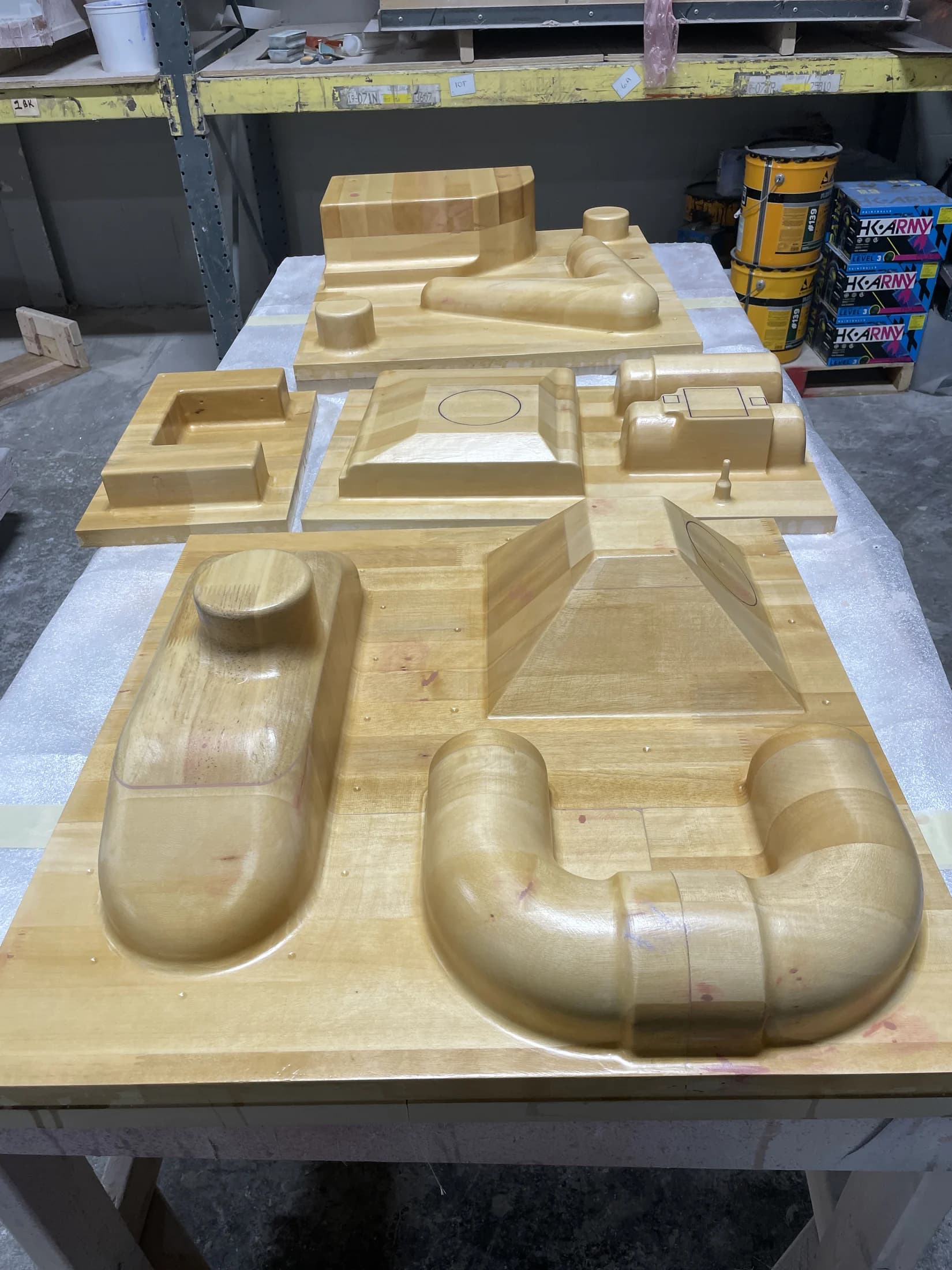
Ground zero. 419 Harrison.
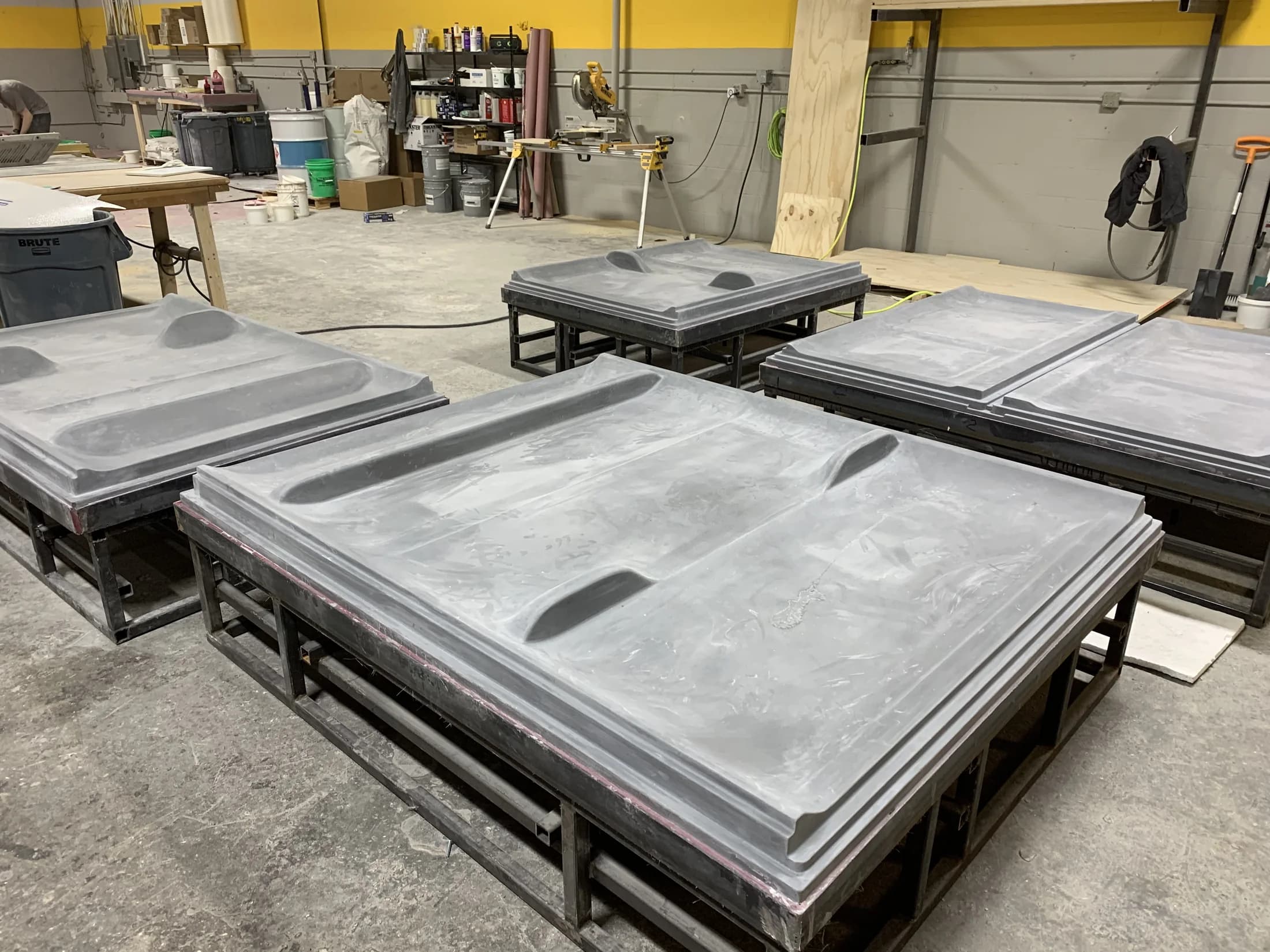
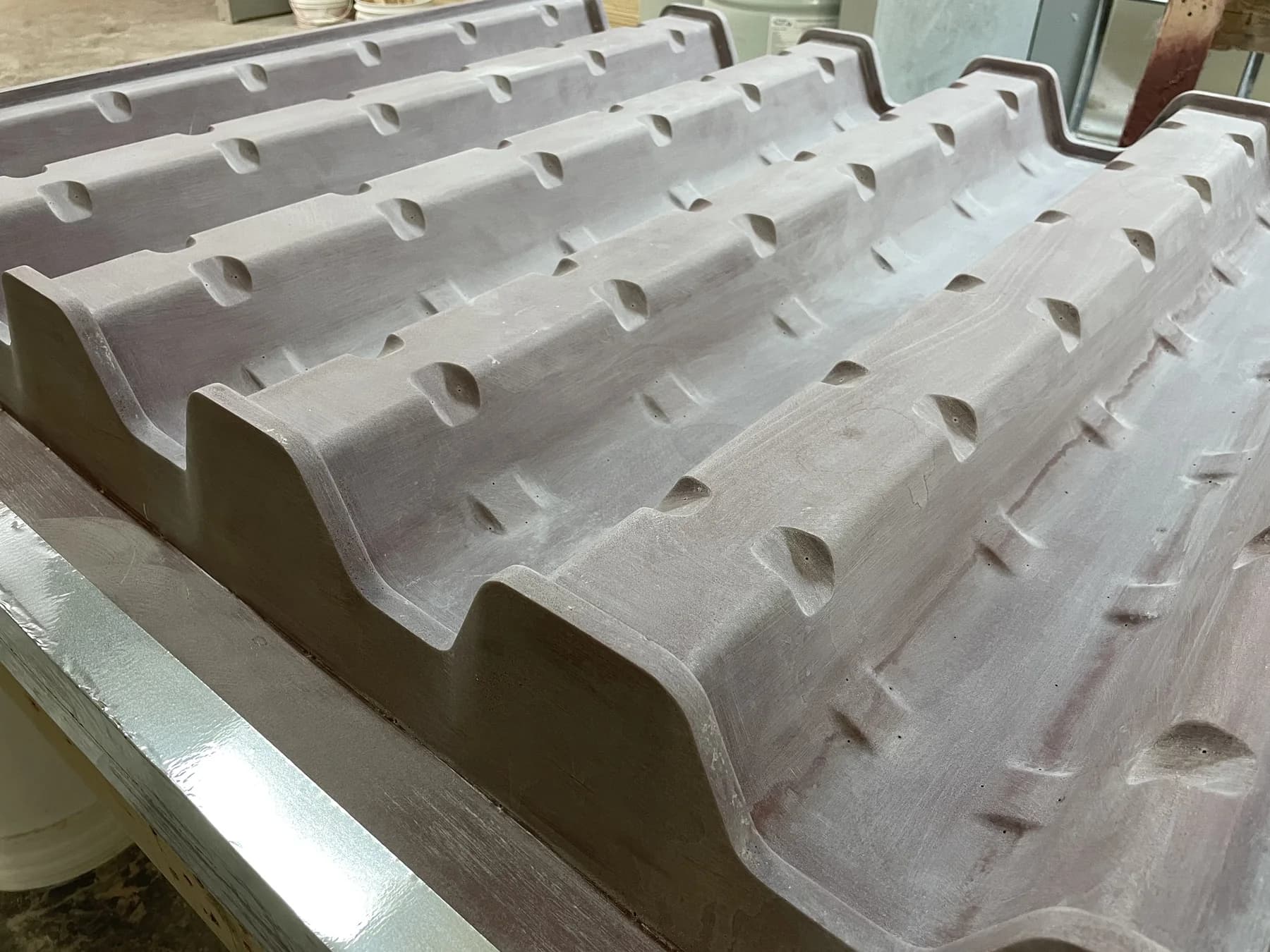
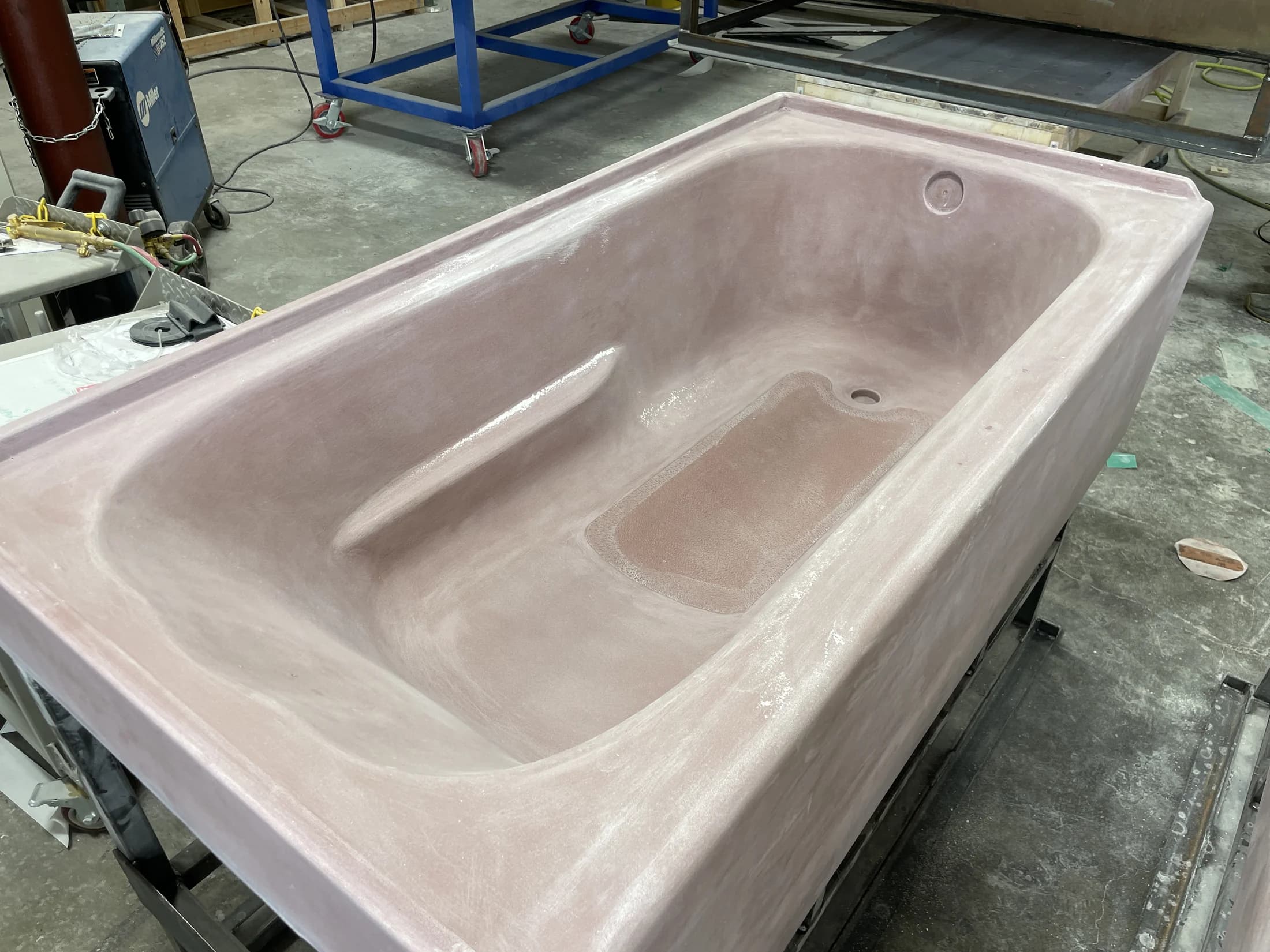
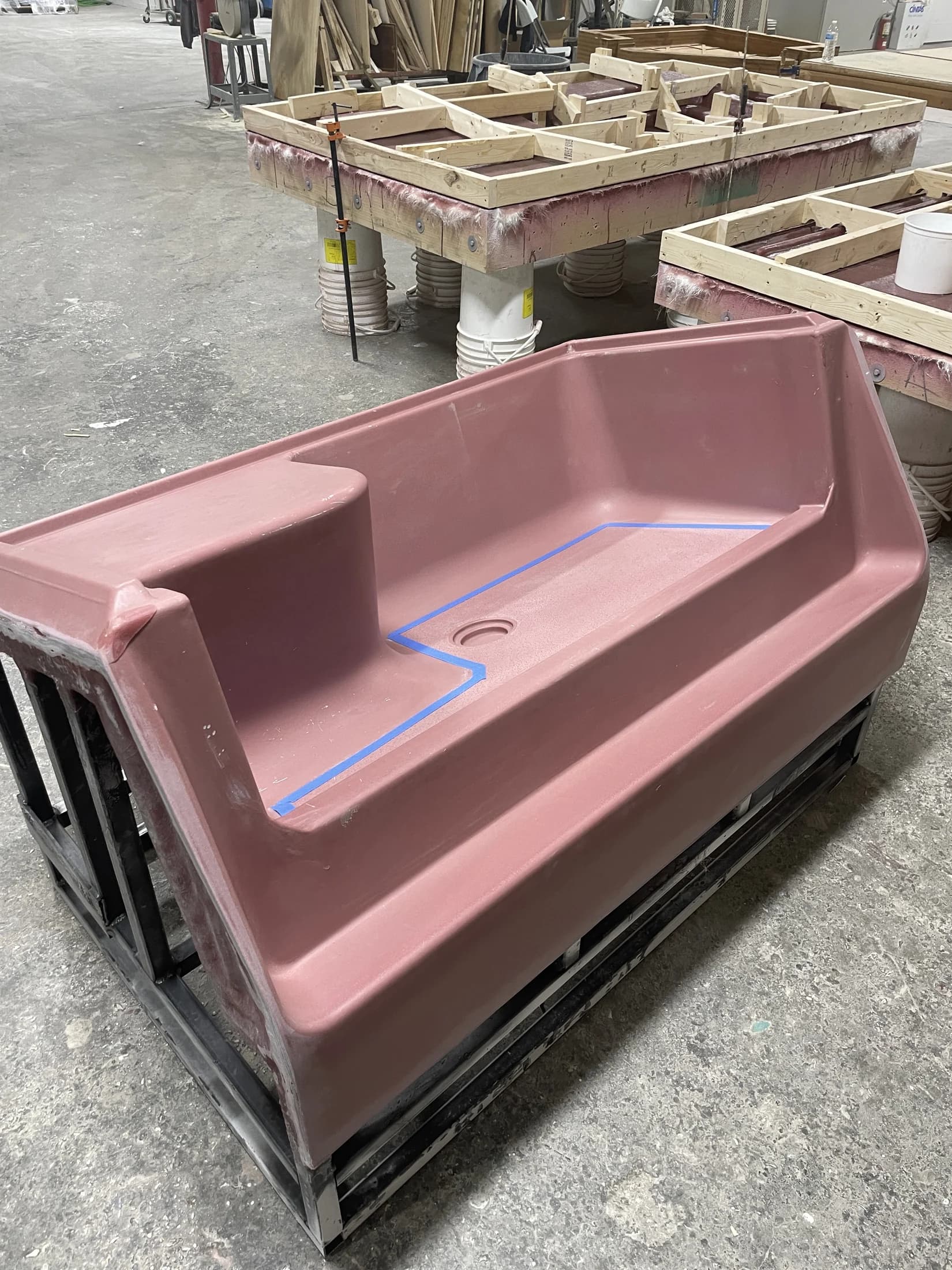
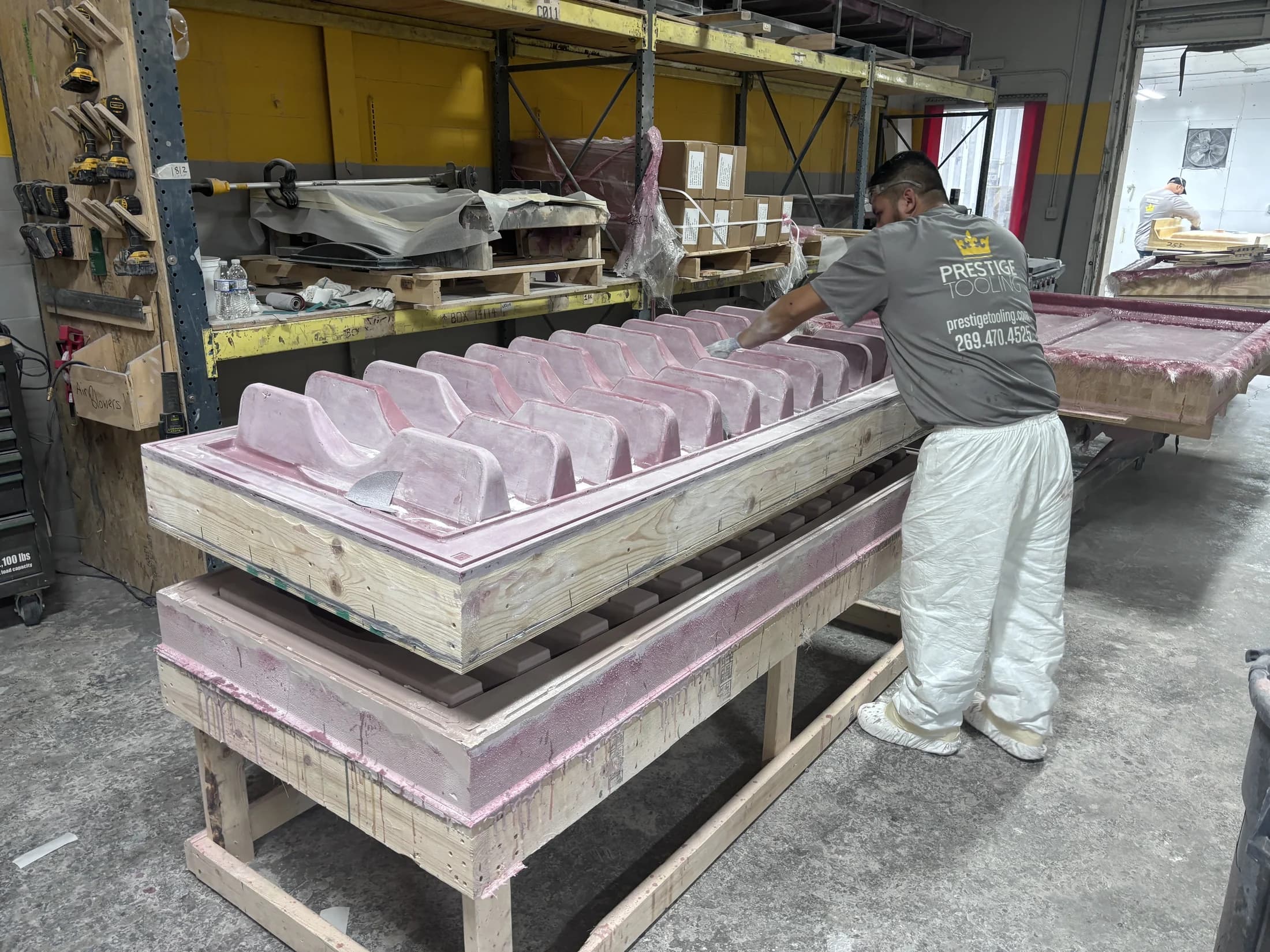
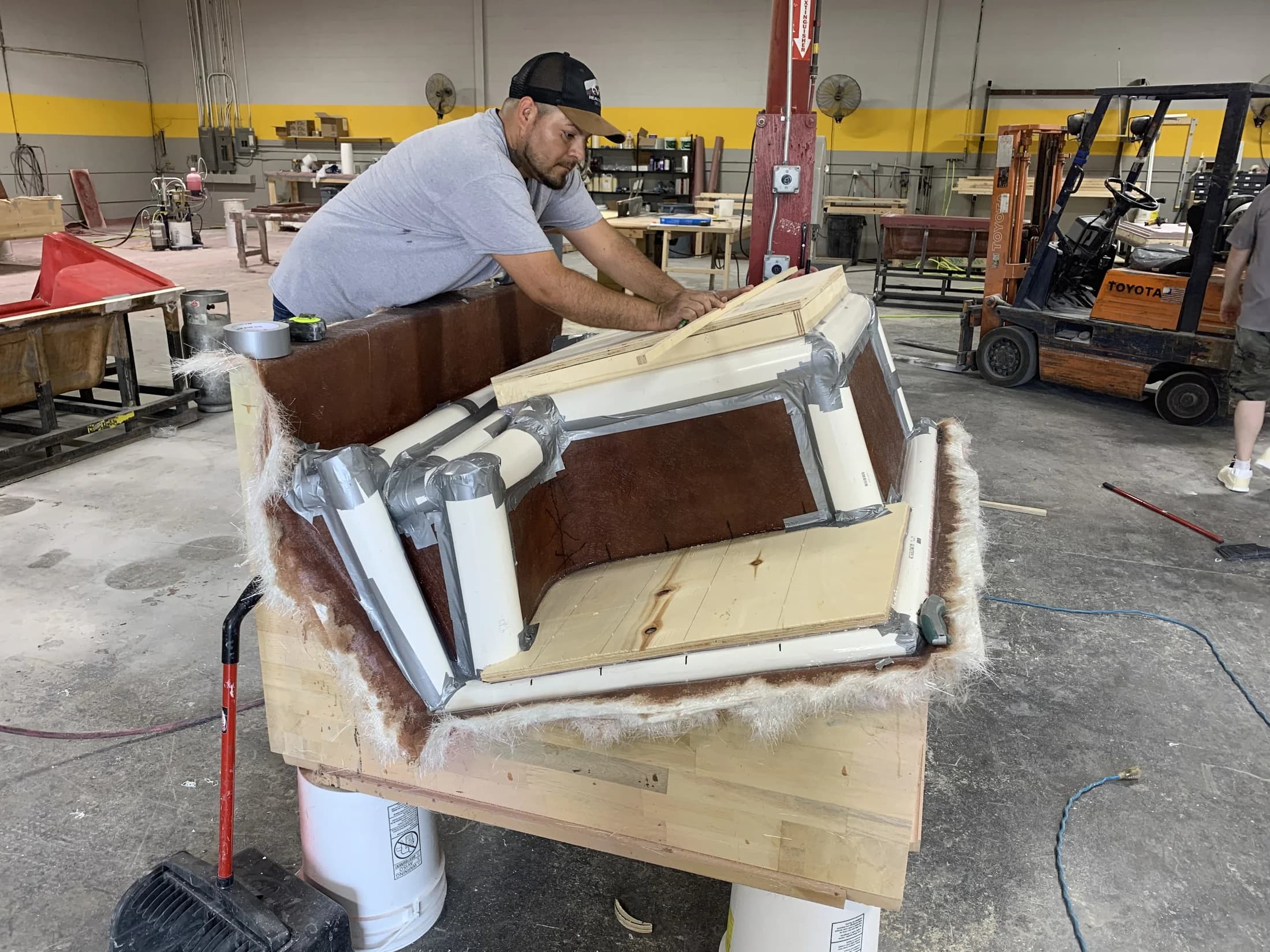
The Shop Floor
Finished tooling and shop-floor work from the Prestige archive.
How a project moves
Three phases. The scope stays practical.
- 01
Review + scope
Prestige confirms the agreed starting point, project scope, and practical schedule.
- 02
Build
Pattern or master machining and tooling construction move forward according to the agreed scope.
- 03
Handoff
Prestige returns the finished mold, the pattern or master, or the specific project output your team needs next.
Straight answers
Thermoforming tooling FAQ
Can Prestige machine the pattern and let our shop build the mold?
Yes. Prestige can stop at the CNC-machined pattern, master, or plug and return it to your internal mold shop. Prestige can also continue from that stage through the finished ceramic composite mold.
Why does Prestige use ceramic composite construction for new thermoforming molds?
Ceramic composite is Prestige’s established construction for new thermoforming molds and is intended for durable production use. Suitability, operating requirements, and cycle expectations are reviewed around the actual part geometry and forming process before scope is confirmed.
Can Prestige work from our existing pattern or master?
Yes. Prestige can review a customer-supplied pattern, master, or plug as the starting point for finished tooling. Its condition and usability are confirmed during project review.
What should we send for a quote?
Send what is real today: CAD, drawings, photos, existing-tool information, pattern or master details, or a clear project description. The RFQ accepts files and project conditions.
What lead time should we plan around?
A useful planning range is approximately 4–6 weeks for a pattern-plus-mold project and approximately 2–3 weeks when a usable customer-supplied pattern is provided. Geometry, construction, scope, input condition, and current workload affect the confirmed schedule.
Can Prestige recondition or modify an existing thermoforming mold?
Yes. Prestige can review existing tooling for refresh, reconditioning, repair, or modification. The scope starts with photographs and available tool information, followed by a physical review when needed.